
Key takeaway
Whole flower makes important quality characteristics visible, but appearance and aroma cannot replace batch information or predict an individual's experience.
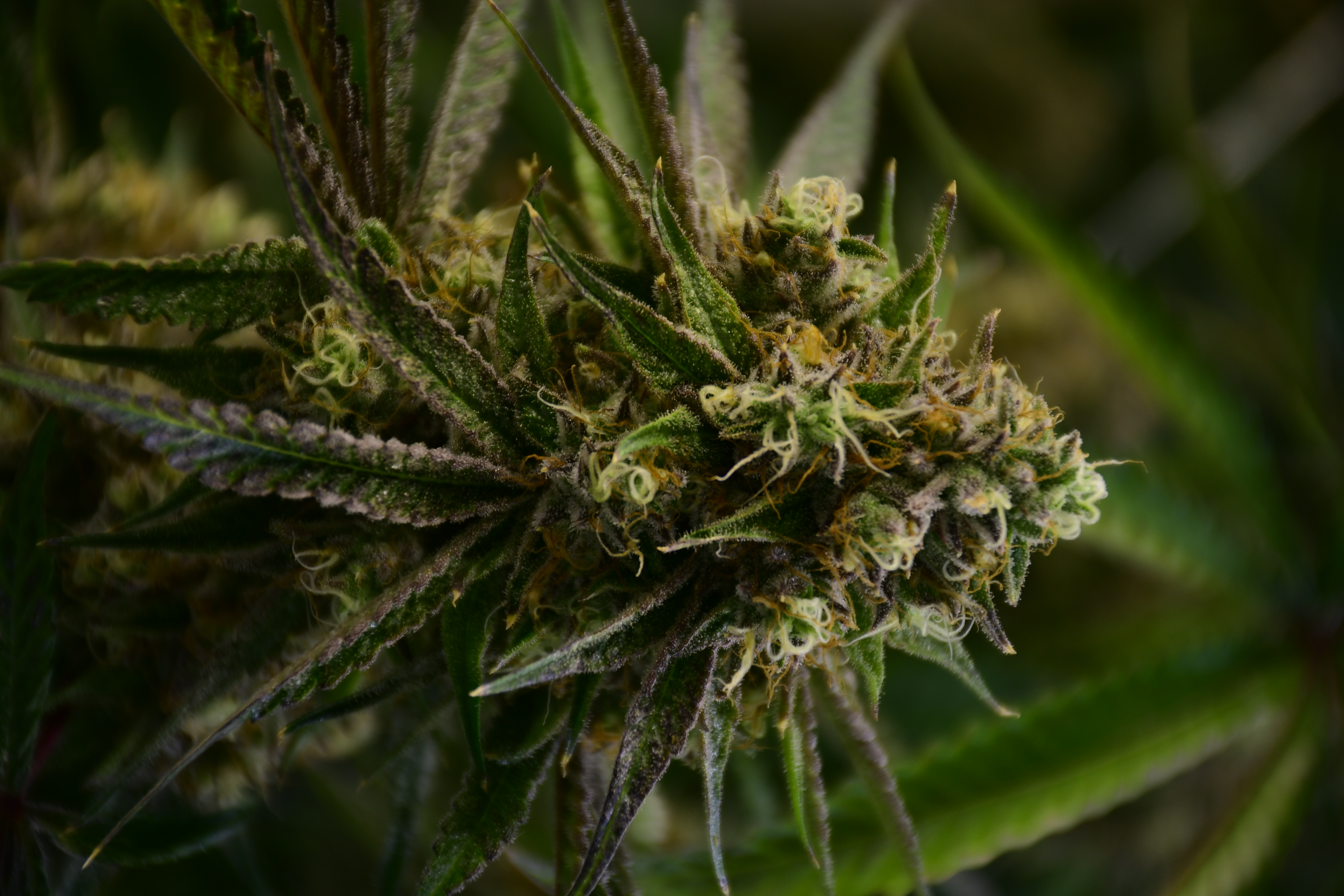
Ground or processed cannabis asks the buyer to take more on trust. Whole flower doesn't. Its structure, trim, moisture and aroma are on display, so how it was grown and handled is visible to anyone who looks closely.
What you can actually inspect
- Structure. Intact buds show how the flower developed and how carefully it was handled after harvest.
- Trim. The neatness of the trim reflects time and attention at the end of the process.
- Aroma. A clear, distinct aroma suggests the flower was dried and cured with care. A flat or grassy smell suggests otherwise.
- Moisture and cure. Flower that is neither brittle nor damp has usually been dried and stored properly.
What it can't tell you
Looking at flower doesn't reveal its test results, and it doesn't predict how it will affect a particular person. Whole flower isn't automatically the better choice for everyone, either. Its advantage is visibility, not superiority.
Reading the jar and the label together
The most reliable judgement combines what you see with what the label says: batch information, packaging date and test results. When the two agree, you have good reason to trust both.
Related reading
Explore Precision Cultivation, Explained and Reading the Paper Trail for more context on cultivation and documented quality.
This article is intended for legal-age audiences in markets where cannabis is permitted. It is for general education only, not medical advice. Product details, availability, and packaging can vary by province, retailer, and batch.