Key takeaway
No single number, appearance or marketing term proves flower quality. Compare verifiable batch information with handling and observable characteristics.
Cannabis flower reflects genetics, cultivation, harvest timing, drying, handling and storage. No single number or visual detail proves that every stage was handled well. A useful evaluation combines verifiable product information with observable characteristics.
Start with the product and batch
Check the regulated package for the cultivar or product name, lot identifier, format and cannabinoid information. Results from a different lot should not be applied to the package in hand.
Understand what testing confirms
A certificate of analysis describes a tested sample. Check the sample identity, scope of testing, units and methods. Testing supports accountability but cannot guarantee a particular personal experience.
Look at flower structure and handling
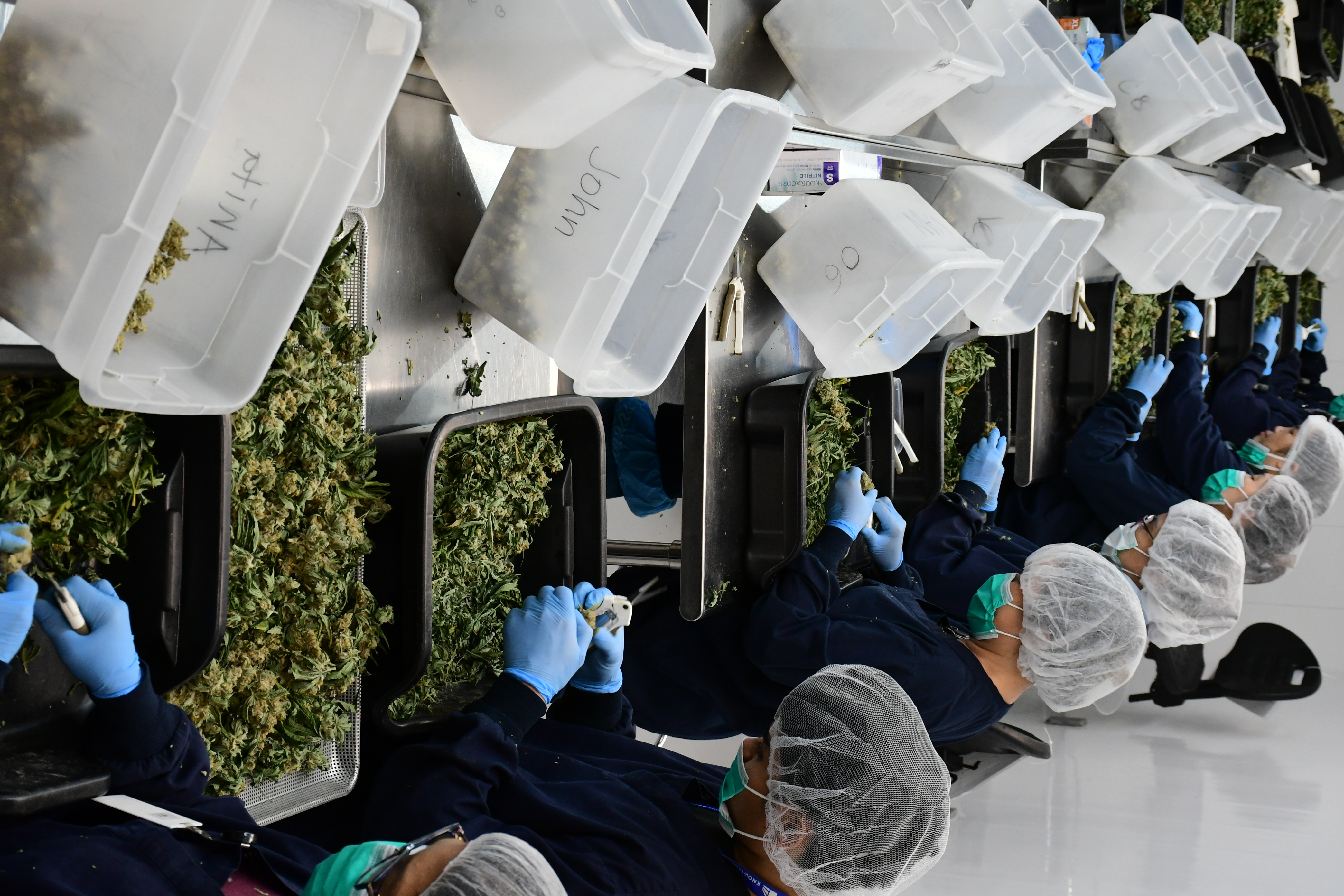
Intact buds, trim and obvious physical damage can be assessed visually where inspection is permitted. Genetics influence natural bud shape, so dense flower is not necessarily better than more open flower. Appearance does not prove laboratory safety.
Consider packaging, storage and time
Packaging should protect the flower during storage and transport. Package dates offer context but do not establish that storage conditions were ideal. Texture and aroma can change after packaging.
Keep aroma in perspective
Citrus, spice, pine and earthy descriptions help communicate an aromatic profile. They are not evidence of potency, safety or a guaranteed effect, and they can vary between batches.
Avoid one-number shortcuts
High THC, a popular cultivar name or the word craft is not a standalone quality grade. Use a combination of verified batch information, careful product inspection and clear documentation.
Further reading
How to Read a Cannabis Certificate of Analysis and Reading the Paper Trail provide additional context.
This article is intended for legal-age audiences in markets where cannabis is permitted. It is for general education only, not medical advice. Product details, availability, and packaging can vary by province, retailer, and batch.